Modern entertainment habits are increasingly shaped by convenience and adaptability, allowing users to engage in activities without rigid schedules or limitations. Flexible gaming options support this shift by offering an environment where participation can happen at any preferred time and pace. This approach enhances comfort and allows users to enjoy experiences in a way that suits their lifestyle.
- Freedom to participate at any time of choice
- No dependency on fixed schedules or locations
- Smooth adjustment to different usage patterns
- Easier access for short or extended sessions
- Greater comfort for casual and frequent users
These advantages create a more relaxed and user-friendly entertainment structure that prioritizes convenience and accessibility.
Seamless Accessibility Across Different Devices
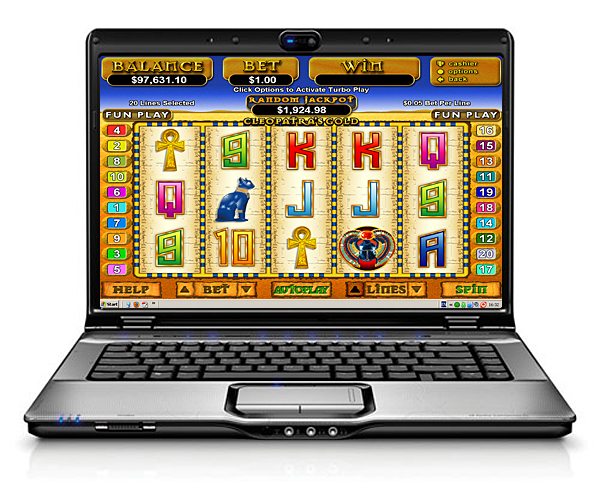
One of the key strengths of flexible gaming systems is their ability to function smoothly across multiple devices. This ensures that users can continue their experience without interruptions, even when switching between devices during their activity.
- Continuous experience across device changes
- Smooth transition without losing progress
- Consistent performance across various screen sizes
- Quick loading and responsive interaction
- Easy access without technical barriers
This seamless connectivity supports a more reliable and uninterrupted entertainment experience, making engagement more practical and efficient.
Personalized Gaming Experience for Better Engagement

Customization plays an important role in improving user satisfaction. Flexible systems often adapt to individual preferences, creating a more engaging and relevant experience for each participant.
- Tailored suggestions based on user activity patterns
- Adjustable settings for improved comfort
- Personalized experience flow for better engagement
- Adaptive interface responses for smoother interaction
- Enhanced enjoyment through user-focused design
Such personalization ensures that the experience feels more natural and aligned with individual expectations, increasing long-term engagement.
Enhanced Convenience Through Smart Features
Modern gaming environments include several features designed to simplify usage and improve convenience. These features reduce effort and make participation more efficient.
- Easy navigation for quick access to options
- Simplified controls for smoother interaction
- Faster response times for improved usability
- Clear layout supporting better understanding
- Efficient system design for uninterrupted play
These enhancements contribute to a more intuitive experience that reduces complexity and improves overall satisfaction.
Balanced Entertainment with Responsible Features
Flexible gaming environments also encourage responsible engagement by offering tools that help users maintain control over their activity. This ensures that entertainment remains enjoyable while staying balanced.
- Options to manage participation limits
- Features supporting mindful engagement habits
- Clear tracking of activity for better awareness
- Structured systems promoting balanced usage
- Encouragement of controlled entertainment practices
Added Value and Engagement Opportunities
Some platforms introduce special incentives that enhance the overall experience and provide additional motivation for users. These elements add excitement while maintaining the core focus on entertainment and convenience.
Occasionally, features like AU99 bonus can further enhance engagement by offering additional value within the experience, making participation more rewarding and enjoyable.
Conclusion
Flexible gaming options have significantly improved how users interact with digital entertainment by prioritizing convenience, adaptability, and personalization. These systems allow seamless access across devices, support tailored experiences, and promote smoother interaction through simplified features. At the same time, responsible engagement tools ensure that entertainment remains balanced and controlled, contributing to a healthier user experience. With continuous improvements in accessibility and user-focused design, flexible systems create a more enjoyable and efficient environment that adapts to different needs and preferences. Overall, this approach ensures that users can engage comfortably, consistently, and at their own pace while benefiting from enhanced convenience and better control over their experience.